
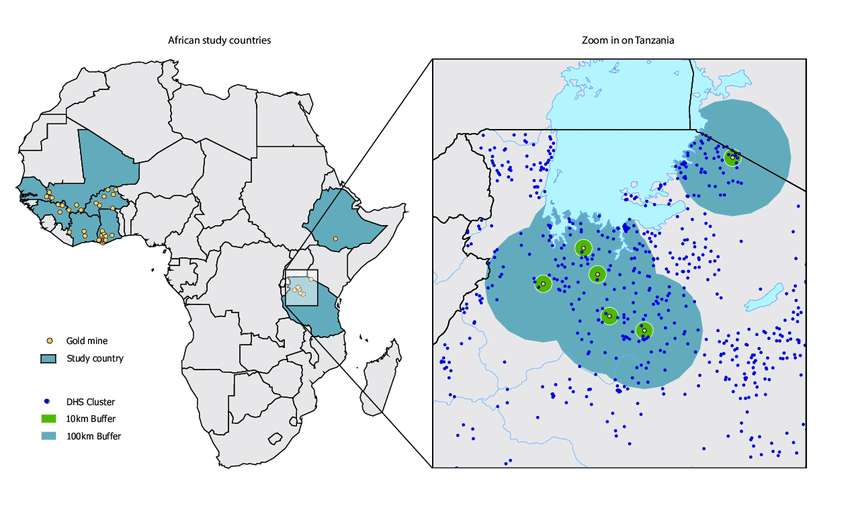
Africa is home to some of the world’s richest gold deposits, with several countries standing out as global leaders in production. The continent accounts for approximately 20% of global gold output, making it a critical player in the precious metals market. From West Africa’s goldfields to Southern Africa’s deep-level mines, these nations are central to both artisanal and industrial-scale gold extraction.
Here’s an overview of the top gold mining countries in Africa, their production figures, and their significance in the global market.
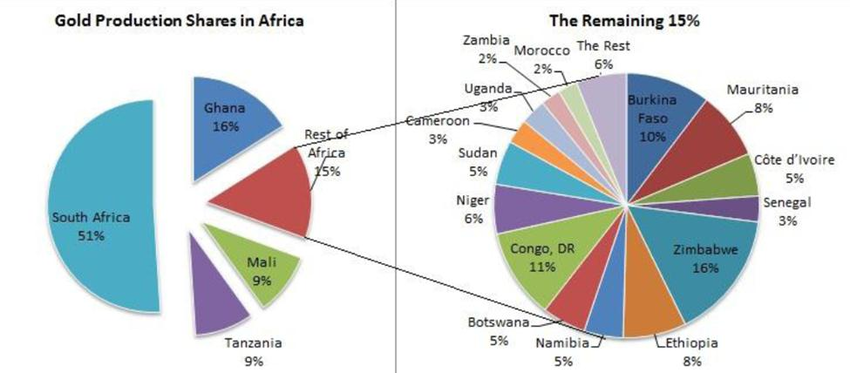
1. Top Gold-Producing Countries in Africa
| Country | Annual Gold Production (Tonnes) | Key Mining Regions |
|---|---|---|
| Ghana | ~130 tonnes | Ashanti, Obuasi, Tarkwa |
| South Africa | ~100 tonnes | Witwatersrand Basin, Free State |
| Mali | ~70 tonnes | Sikasso, Kayes (Sadiola, Loulo) |
| Tanzania | ~50 tonnes | Geita, Bulyanhulu, North Mara |
| Burkina Faso | ~45 tonnes | Houndé, Essakane |
| DRC (Democratic Republic of Congo) | ~30 tonnes | Kibali, Twangiza |
| Zimbabwe | ~25 tonnes | Mazowe, Penhalonga |
2. Leading Gold Mines Across Africa
| Mine Name | Location | Operator | Annual Output (Tonnes) |
|---|---|---|---|
| Obuasi Gold Mine | Ghana | AngloGold Ashanti | ~20–25 |
| Kibali Gold Mine | DRC | Barrick Gold | ~20 |
| Geita Gold Mine | Tanzania | AngloGold Ashanti | ~15–20 |
| Loulo-Gounkoto Complex | Mali | Barrick Gold | ~25–30 |
| Tarkwa Mine | Ghana | Gold Fields | ~18–20 |
| North Mara Mine | Tanzania | Nordgold | ~10–15 |
| Essakane Mine | Burkina Faso | IAMGOLD | ~15 |
These mines are among the largest and most productive on the continent.
3. Economic Impact of Gold Mining
Gold mining significantly contributes to national economies:
- Export Revenue: Major source of foreign exchange in Ghana, Mali, and Tanzania
- Employment: Provides direct and indirect jobs for millions
- Infrastructure Development: Roads, power, and water systems built near mine sites
- Government Revenue: Taxes, royalties, and dividends fund public services
In Ghana, gold accounts for over 40% of total exports, while in South Africa, it remains a cornerstone of the mining sector.
4. Challenges Facing Gold Mining in Africa
Challenges:
- Artisanal Mining Conflicts: Informal miners often clash with industrial operators
- Regulatory Uncertainty: Shifting tax regimes and licensing delays
- Security Risks: Armed groups in parts of DRC and Sahel region
- Environmental Concerns: Mercury use in artisanal mining and land degradation
Opportunities:
- Rising global demand for gold as an investment safe haven
- Adoption of cleaner technologies in processing and extraction
- Increased focus on local beneficiation and refining
5. Future Outlook: Growth and Innovation
The future of gold mining in Africa looks promising due to:
- New discoveries in Mali, Burkina Faso, and Zimbabwe
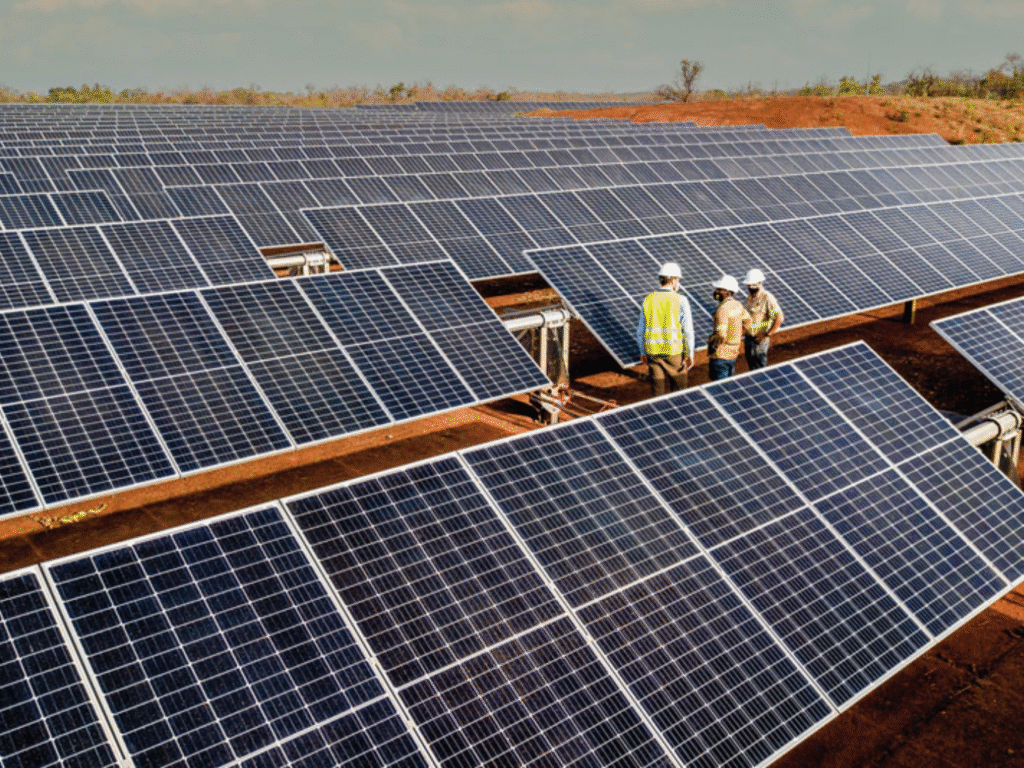
- Investments in solar-powered operations to reduce energy costs
- Expansion of junior explorers into underexplored regions
- Strengthening partnerships between governments and private firms
Countries like Ghana and Tanzania are also focusing on downstream processing to add value before export.
FAQs
Q1: Which African country produces the most gold?
A1: Ghana is currently the largest producer, followed by South Africa and Mali.
Q2: Where are the biggest gold mines in Africa?
A2: Top mines include Obuasi (Ghana), Kibali (DRC), and Loulo-Gounkoto (Mali).
Q3: Is gold mining sustainable in Africa?
A3: Efforts are underway to make it more sustainable through renewable energy, reduced mercury use, and better community engagement.
Conclusion
Gold mining in Africa remains a cornerstone of the continent’s economy, driving exports, employment, and infrastructure development. With rising global demand and technological advancements, African nations are poised to maintain their leadership in this vital sector.